Meet Our Founders

Ziye Lin
CEO & Strategy
Ziye brings over a decade of M&A and strategic advisory experience to ValueBuilder AI. As a former Director in FTI Consulting's Technology, Media, and Telecom practice, he led engagements spanning due diligence analytics, M&A advisory, and post-merger integrations for both strategic buyers and private equity firms.
At FTI, Ziye witnessed firsthand how buyers valued tech-enabled scalability—and how traditional businesses struggled to articulate their transformation potential. This insight led him to found ValueBuilder AI: democratizing management consulting-grade analysis for advisors serving small and mid-market businesses.
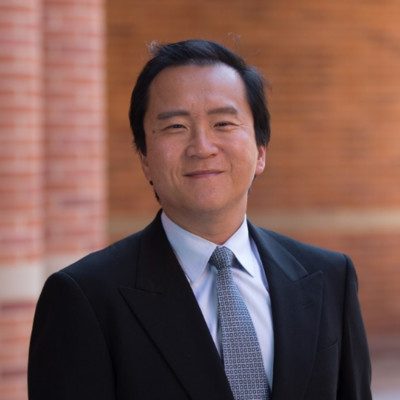
Stevie Rhim
Chief Business Officer
Stevie serves as Chief Business Officer, bringing deep expertise in product strategy and go-to-market execution from the high-tech sector. As a former Director of Product Management and Marketing, he led cross-functional teams to launch multiple full-stack hardware and software solutions from concept to commercial success.
Stevie's unique strength lies in bridging the gap between complex technical capabilities and compelling business value propositions. His mission is to make ValueBuilder AI the indispensable platform that transforms how CEPAs compete in the market.